Goa’s Growing Waste Burden and Its Impact on Public Spaces
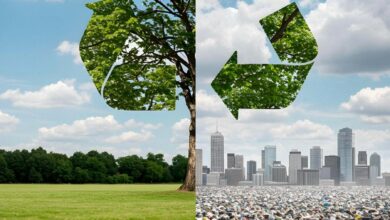
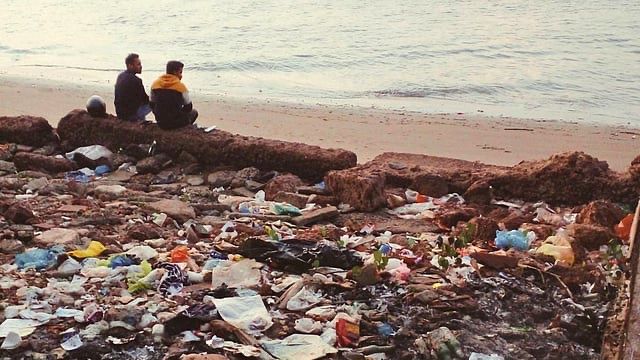
Goa’s waste management problem is visible across public spaces. Waste is found on beaches, along highways, and inside rivers and mangroves. Municipal systems are under increasing pressure to maintain cleanliness in a state driven by tourism. A growing body of reporting and official data shows that existing approaches are struggling to keep pace with the scale and nature of waste generated in the state.
Goa produces close to 800 tonnes of municipal solid waste every day, a figure that continues to rise with increasing consumption and year-round tourism
What is more concerning is where this waste ends up. Beaches, forests, highways, rivers and streams are frequently littered with discarded bottles, food packaging and non-biodegradable waste, damaging both ecosystems and the state’s tourism image.
Tourism is a major contributor to this pressure. Goa recorded approximately 1.08 crore tourists in 2025. Reports note that popular sites such as beaches, waterfalls and forests are repeatedly littered during peak seasons, largely with alcohol bottles, water containers and food packaging discarded outside household settings
Unlike residential waste, this material is generated in public spaces where conventional door-to-door collection systems are least effective.

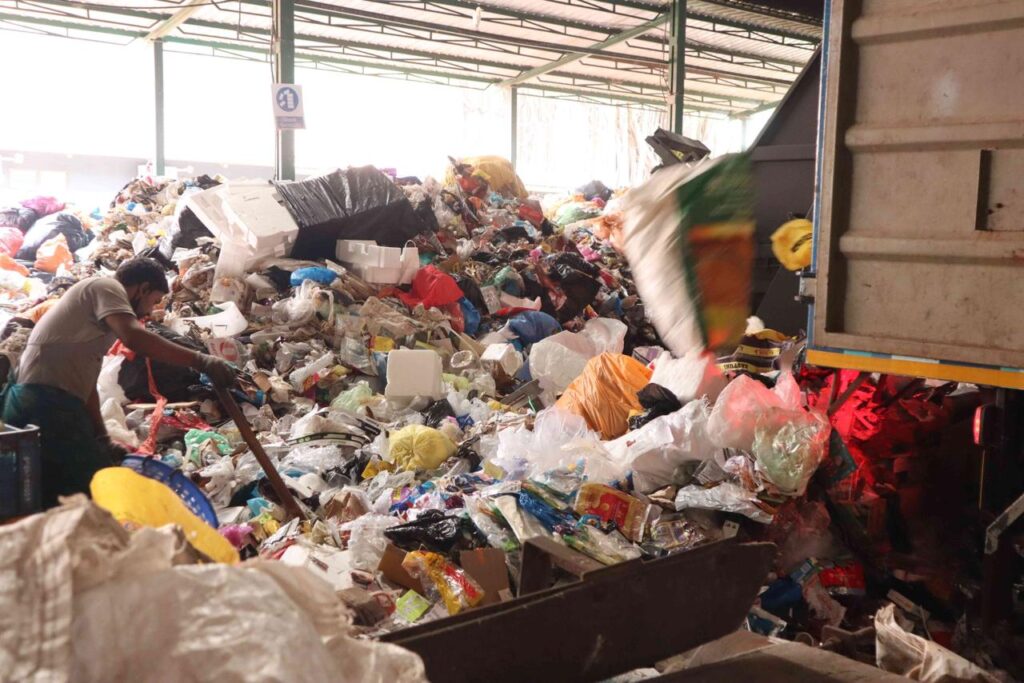
Infrastructure constraints compound the problem. Goa currently relies on two major solid waste management plants, at Saligao and Cacora, with a combined processing capacity of around 425 tonnes per day. Even with collection across 429 kilometres of highways, repeated dumping at roadside “black spots” continues, often involving mixed waste that is difficult to process
Audit findings underline systemic weaknesses. A report by the Comptroller and Auditor General found that between 2017–18 and 2021–22, only 78% of waste collected by urban local bodies was treated, leading to the creation of new untreated dumpsites. The audit also highlighted shortages of dedicated staff, inadequate waste estimation, and severe mismatches between waste generation and processing capacity.
Environmental consequences are increasingly documented. A scientific study of Goa’s mangrove ecosystems recorded 5,549 pieces of litter across just 1,080 square metres, with plastic accounting for around 66% of all debris and rising to over 80% at some locations
Researchers concluded that nearly 89% of this waste originated on land, not from marine sources, pointing directly to gaps in on-ground waste control and disposal. These reports point to a common pattern. Enforcement exists, infrastructure exists, and clean-up efforts are frequent. Yet waste continues to leak into public spaces, waterways and sensitive ecosystems because it is over burdened with tourist influx..
This is the gap that Goa’s proposed Deposit Refund Scheme seeks to address.
Deposit-based systems are designed to intervene earlier in the waste lifecycle, at the point where packaging is discarded. By attaching a refundable value to bottles, cans and certain packaging formats, the system changes disposal behaviour in real time. Containers are returned cleanly and separately, reducing reliance on downstream clean-ups that offer only temporary relief.
In a tourism-driven economy, this mechanism has particular relevance. Visitors may not always respond to local waste rules or penalties, but a refundable deposit ensures that discarded packaging retains value regardless of who returns it. Once waste has worth, it is less likely to remain litter.
The scheme also responds to materials that dominate Goa’s waste problem but are poorly handled by existing systems. Reports repeatedly highlight the prevalence of plastic packaging, sachets and low-value items in mangroves, beaches and black spots
Deposit frameworks create an incentive for collection where traditional recycling economics have failed. Importantly, deposit systems do not replace existing waste infrastructure or enforcement. They function alongside municipal collection, processing facilities and regulatory controls, reducing the volume and contamination of waste that reaches those systems. Cleaner returns ease pressure on sorting facilities and lower the likelihood of dumping and leakage.
Goa’s waste crisis has been well documented. Addressing this challenge requires more than periodic bans, clean-up drives or fines. The question is no longer whether Goa has a waste problem. The question is whether interventions that influence behaviour at the point of disposal can help close the gaps that existing systems have not been able to contain.