MOG Sunday Talk: Flex Banners, ‘Airbnb Aesthetic’ and Goa’s Disappearing Traditional Street Lettering
~ The shift from hand-painted signs to digital flex banners is leaving cities, including those in Goa, looking increasingly identical, eroding local identity and character.
~ Indian typographer Pooja Saxena spotlights Goa’s Art Deco and Art Nouveau architectural history, reflected in its hand-crafted street lettering.
Panaji, February 2026 – As digital flex signages inspired by an ‘Airbnb aesthetic’ replace hand-painted boards across Panaji and other Goan towns, streets are beginning to look like those elsewhere in mainstream India, with local character giving way to a standardised visual language and traditional sign painters quietly disappearing.
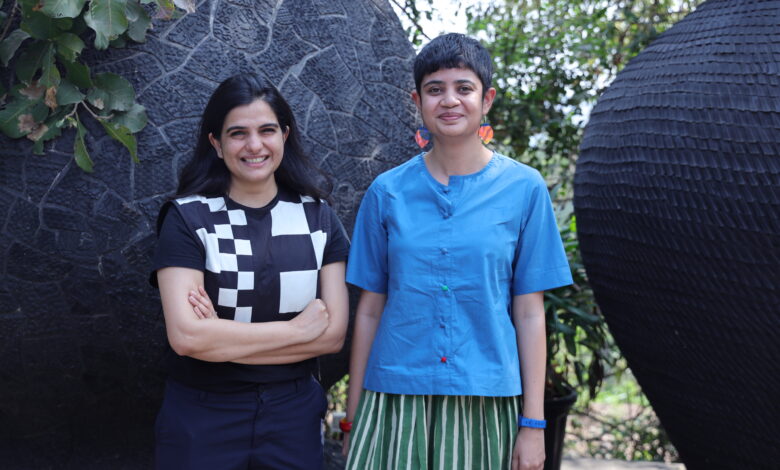
This changing streetscape formed the context of a recent MOG Sunday session on Indian Street Lettering at the Museum of Goa (MOG), where award-winning typeface designer and lettering artist Pooja Saxena drew attention to Goa’s street lettering as a visual record of its architectural and cultural history.
Saxena, an ace typeface designer, warned that the rise of digital flex signs, typically LED banner signs stretched over metal frames, is creating an ‘Airbnb aesthetic’, where cities begin to look indistinguishable from one another.

“As you walk through a city, you can’t tell where you are,” she explained, emphasising that the loss is not only aesthetic but economic as well. “When hand-painted signs disappear, an entire livelihood disappears with them. It’s a craft that simply vanishes. I don’t want these to exist only as museum objects. They make sense only if they survive as functional elements and as objects of cultural expression in the real world.”
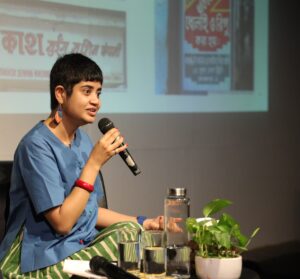
Speaking about her book project India Street Lettering: A Journey Through Typographic Craft & Culture, Saxena noted that lettering often reflects the historical period in which a place developed.
Highlighting Panaji’s streetscape, Saxena pointed to how signage reflects the city’s architectural history and material culture.
“In Panaji, Art Deco and Art Nouveau influences in signage align with the city’s architecture. Goa’s visual identity is shaped by elements like azulejos, wood and three-dimensional lettering,” she said in her conversation with Goa-based visual artist Avani Tanya, adding that context determines how such design elements are read, while the coastal climate affects materials, making frequent repainting both necessary and a sign of continued care despite gradual wear.
According to Saxena, street lettering does not merely serve a functional purpose, but operates as a gestural expression shaped by the hand. “My biggest fear was that I don’t write often enough and that I no longer trust my own hands,” she admitted, reflecting on growing digital dependency. Speaking about her book, Saxena said it focuses on letterforms created using a range of analogue techniques, including hand painting and other specialised processes. “The skill involved in this craft deserves recognition because these forms are intentional in a way digital fonts are not,” she said.
Saxena expressed hope that readers feel encouraged to look at their marketplaces with fresh eyes. “I like to think that I’ve infected more people with a virus,” she joked. “I’m really happy if any of you go back and start noticing public lettering a little bit more.”