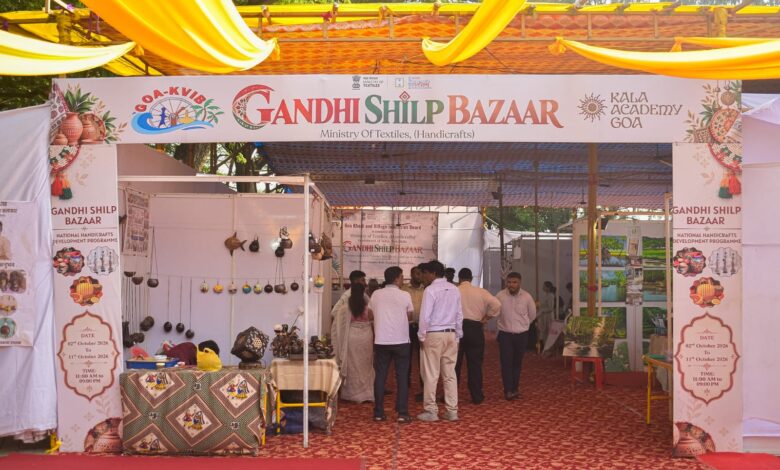
GANDHI SHILP BAZAAR BRINGS INDIA’S CRAFT HERITAGE TO GOA
Artisans from across the country showcase traditional handicrafts, handloom and indigenous art forms at Darya Sangam, Kala Academy
Panaji, Goa | October 2 -11, 2026
The rich and diverse craft traditions of India are now in Goa as the Gandhi Shilp Bazaar has been inaugurated at Darya Sangam, Kala Academy, Panaji, bringing together traditional artisans and craftspersons from different parts of the country.
Organised by the Goa Khadi and Village Industries Board (GOA-KVIB) in association with the Office of the Development Commissioner (Handicrafts), Ministry of Textiles, Government of India, New Delhi, the ten-day bazaar will be held from October 2 to October 11, 2026, from 11.00 am to 9.00 pm.
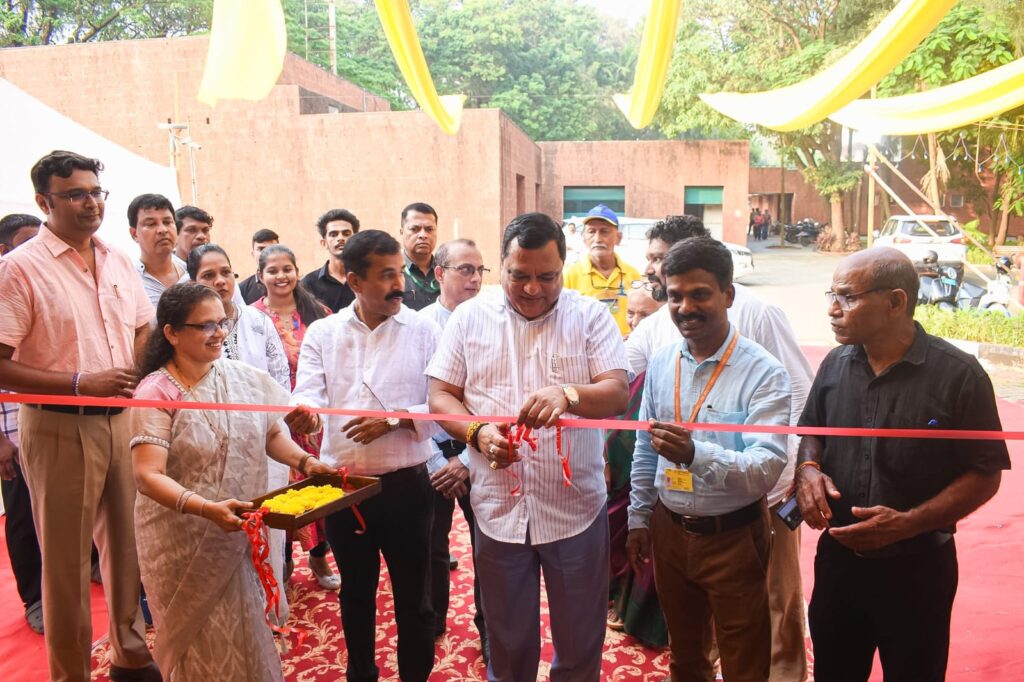
Shri Mauvin Godinho, Hon’ble Minister for Industries, Government of Goa, inaugurated the bazaar in the distinguished presence of Shri Deeptansu Haldar, Regional Director, Western Region, Office of the Development Commissioner (Handicrafts), Mumbai; Shri Sarvanand Bhagat, Vice Chairman, Goa Khadi and Village Industries Board; and Shri Johnson Fernandes, Chief Executive Officer, Goa Khadi and Village Industries Board and Shri Saji Prabhakaran, Assistant Director Development Commissioner (Handicrafts) and Shri Vijayanand Naik, Programme Officer, GKVIB,

” Local artisans, artists and self-help groups in Goa have immense potential. It is necessary to improve the quality of their products, introduce attractive packaging, promote them through digital platforms and help them access financial assistance through various Central and State Government schemes, said Industries Minister Mauvin Godinho at the inaugural ceremony.
Artisans should not be provided with a platform merely for exhibitions and left at that. Officials should visit villages directly and identify artisans who are doing well as well as those who require training. They should provide appropriate training and support to improve the quality of their products, Godinho said. He also stressed the importance of KVIC officials reaching out to the grassroots level.
Godinho said that the MSME sector is extremely important for employment generation and the economy. Officials should personally guide self-help groups and small entrepreneurs about the government schemes available to them, sources of financial assistance and the support available to help expand their businesses. This would ensure that the benefits reach the grassroots level.
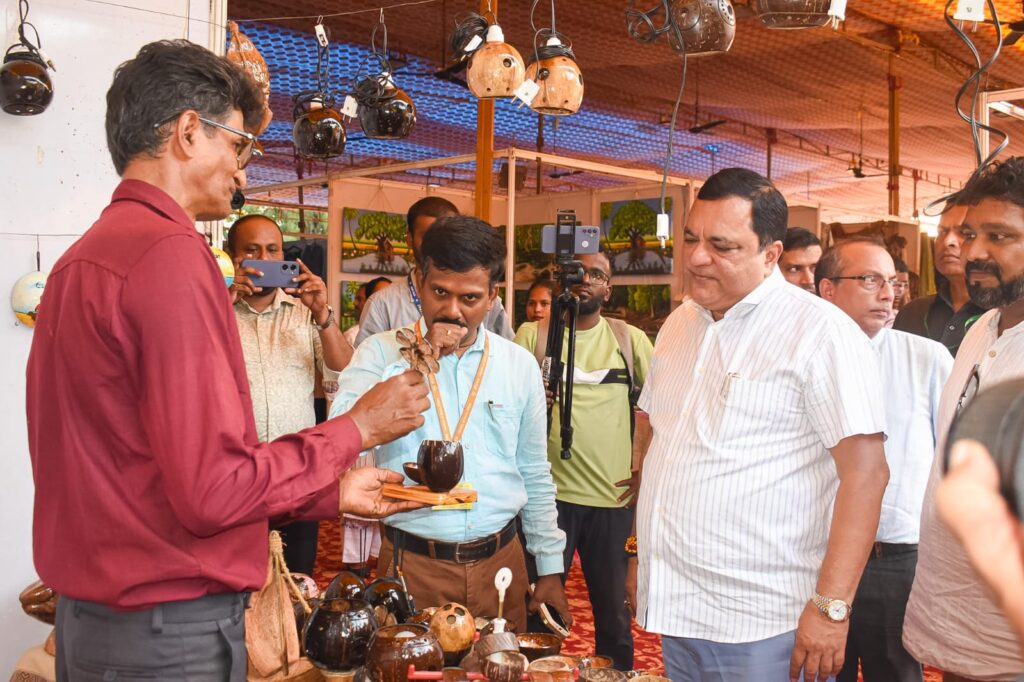
He said that special emphasis needs to be placed on three key areas for artisan products: digital platforms, quality packaging and initial financial support. He also noted that the quality of products displayed at the exhibition had improved compared to last year and appreciated the efforts of the concerned officials and organisers.
Citing the example of Goa’s traditional Kunbi saree, Godinho said that women from Dabolim are working with traditional Kunbi fabric. He said that collaboration has been established with international designer Verma D’Mello to take these products to international markets. The initiative is also promoting the traditional weaving skills of local women and members of Scheduled Tribes.
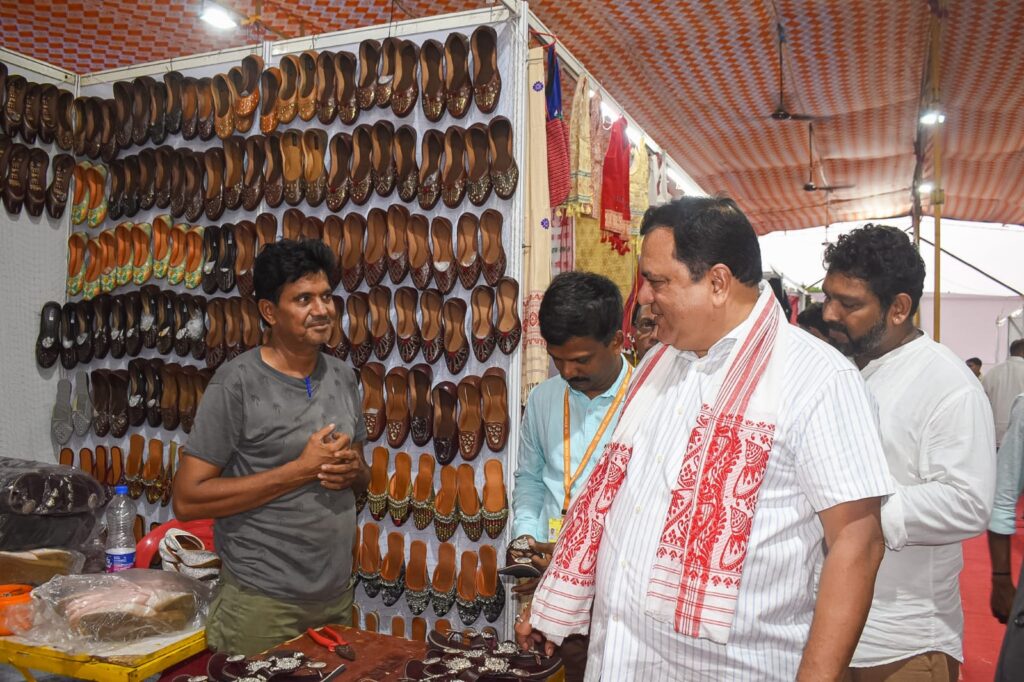
With around one crore tourists visiting Goa every year, the state itself offers a significant market for local artisans, Godinho said. He expressed confidence that by establishing connections with institutions and customers across India and abroad through digital platforms, Goa’s unique products can reach international markets.
“If locally produced goods receive the right promotion, training, financial assistance and market access, artisans cannot only increase their own income but also contribute to the economy of Goa and the country,” Godinho said.
The Goa edition brings this national platform closer to the people of the State, offering visitors an opportunity to meet artisans, understand their skills and purchase authentic handmade products directly.
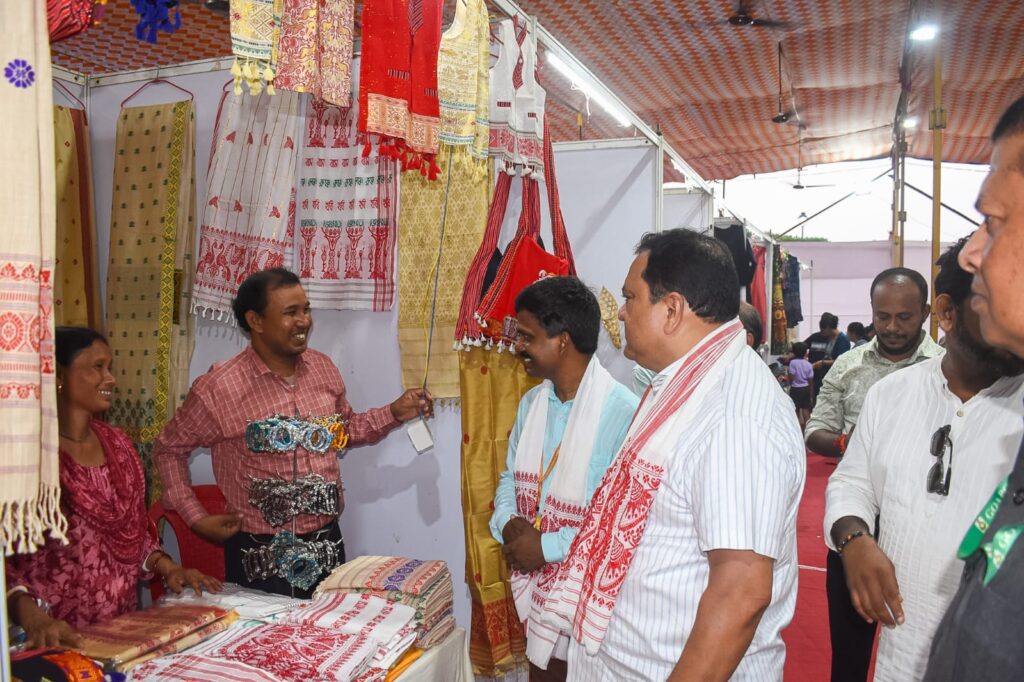
The participating artisans represent an extraordinary range of traditional and contemporary craft practices. The crafts represented at the bazaar include handloom and textile-based crafts, terracotta, coconut shell craft, carpet making, ceramics, embroidery, crochet, jewellery, metal craft, Zari and Zardozi, Kutch Bandhani, Kutch Ajrakh, Batik, hand block printing, leather craft, cane and bamboo craft, wood carving, stone craft, macramé, tie and dye, glass craft, jute craft and other specialised art forms.
Several of these crafts are deeply connected with the cultural identity and traditional knowledge of particular regions of India. The bazaar therefore becomes more than a marketplace. It becomes a meeting point between India’s diverse communities, traditions and artistic expressions.