DAG, in collaboration with the Department of Tourism, Government of Goa, opens The most comprehensive exhibition of its kind in India, revealing the breadth and richness of Company Paintings, an underexplored genre representing a remarkable moment in Indian art history
Panaji, Goa, December 2025: In keeping with its commitment to honour the unknown Indian masters commissioned by the East India Company in the late 18th and early 19th centuries, DAG, India’s premier art company, dedicates an exhibition to Company Paintings entirely from the gallery collection. Curated by Giles Tillotson, SVP, DAG, A Treasury of Life: Indian Company Paintings, c. 1790 to 1835 looks at how Indian artists
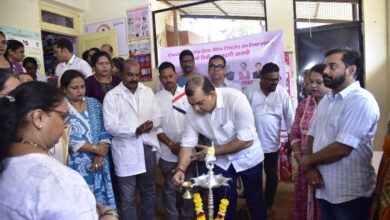
responded to the demands of their patrons, creating entirely new templates of Indian art. With 200 works of art, it is the largest exhibition in India showcasing the diversity of Company Paintings and the artistic brilliance of Indian painters. Opened in collaboration with the Department of Tourism, Government of Goa, with a private viewing on 1 December 2025 at Aguad Port & Jail Complex, Goa, it remains on view until 14 January
2026.
Company painting has long existed on the margins of Indian art history—too late to be considered part of the classical court tradition and too early to fit within the narrative of modernism. Yet, A Treasury of Life challenges that perception, proposing Company painting as a crucial prelude to Indian modernism. By showcasing works that blend Indian artistic heritage with Western influences, the exhibition reveals how Indian painters actively engaged with changing patronage, techniques, and visual traditions, making this one of the most dynamic periods in Indian art. It explores three primary categories: natural history, capturing India’s flora and fauna with scientific precision and artistic sensitivity; architecture, documenting historic sites and cityscapes with a striking blend of Indian and European techniques; and Indian manners and customs, portraying traders, artisans, religious figures, and sacred idols in vivid detail. Reflecting the European desire to document an unfamiliar land and how Indian artists responded with ingenuity, adapting their skills to new formats and audiences, A Treasury of Life underscores the fragility of the worlds they depicted. Whether in the delicate rendering of a now-endangered plant species, the careful documentation of architectural heritage, or the detailed portrayals of social customs, these paintings hold historical value not just as art, but as windows into a past that, in many ways, no longer exists. Beyond botanical studies, Company paintings also provide an unparalleled visual record of India’s natural environment and wildlife, many of which have undergone significant changes over the centuries. These works serve as historical snapshots of a time when diverse ecosystems were still largely intact, offering glimpses of species and landscapes that have since been altered due to urbanisation and environmental changes.

Hon’ble Minister for Tourism, Shri Rohan A. Khaunte, noted, ‘A Treasury of Life brings to Goa an extraordinary era of Indian artistic brilliance that deserves national and global attention. Hosting this landmark exhibition reinforces our commitment to elevating Goa asa centre for meaningful, heritage-driven experiences. This exhibition also reflects a growing role as a host for high-calibre cultural collaborations. It encourages a wider appreciation of the creative spirit that defines India’s artistic legacy.’
Ashish Anand, CEO and MD, DAG, added, “We are delighted to open A Treasury of Life, an extraordinary exhibition of hitherto neglected Company Paintings, to Goa as part of our long-standing commitment to provide a platform for pre-modern and hybrid art practices that laid the foundation for Indian modernism to thrive. Beginning with our sponsorship of Forgotten Masters: Indian Painting for the East India Company at the Wallace Collection in 2019—the first significant exhibition on Company Paintings in the UK—DAG has since presented Birds of India, a pioneering exhibition dedicated to the genre, across three Indian cities. A Treasury of Life expands this conversation to highlight the full scope of CompanyPainting and its significance in the evolution of Indian art.”

Director, Department of Tourism, Shri Kedar Naik, stated, ‘This exhibition is a significant addition to Goa’s cultural calendar and strengthens our efforts to promote meaningful tourism rooted in heritage and learning. By bringing an exceptional collection of Company Paintings to Aguad, we are creating opportunities for visitors to experience art as apowerful storyteller of India’s past.’ Managing Director, GTDC, Shri Kuldeep Arolkar, also commented, ‘A Treasury of Life contributes meaningfully to Goa’s cultural environmentand offers visitors an enriching artistic experience. Initiatives like this encourage deeperengagement with heritage and creativity, adding value to the way people explore andconnect with Goa.’
VP Operations and Business Development, Aguad Port and Jail Complex, Shri Savio Mathias, said, ‘The launch of A Treasury of Life at Aguad Port and Jail Complex was a trulymeaningful occasion for us. Bringing an exhibition of this calibre to Aguad reflects ourongoing effort to make the space a destination where art, history, and culture come together inengaging ways. Our association with DAG and the Department of Tourism has made itpossible to present a collection that offers visitors a thoughtful glimpse into India’s artistic past. We hope to welcome many more visitors in the coming weeks to experience thisremarkable exhibition and the stories it brings to life.’
While many Company artists remain unnamed, this exhibition presents works by recognised masters such as Sita Ram, Sewak Ram, and Chuni Lal. Though it is known that European patrons provided these artists with Western models to guide them, the point is seldom demonstrated. Works by European artists like James Forbes, F.B.
Solvyns, and Charles Gold help understand the kind of material Company artists would have had at their disposal. Rather than tracing direct influences, these references shed light on the broader visual culture of the time—one where Indian artists engaged with foreign patrons to create something entirely new. More than a historical survey, A Treasury of Life repositions Company painting as an essential part of India’s artistic journey. It captures a moment when Indian painters moved beyond royal commissions to embrace new patrons, subjects, and styles—laying the foundation for future shifts in Indian art. Indoing so, the exhibition not only celebrates a vital chapter in history but also invites freshperspectives on how we understand the beginnings of modern art in India.
With an introductory essay by historian and curator Giles Tillotson, the accompanying publication carries contributory essays by scholars and experts. Apurba Chatterjee (University of Reading) and Nicolas Roth (Harvard University) explore Natural History while Malini Roy (the British Library) and Rosie Llewellyn-Jones investigate
architecture and landscape and, JenniferHowes (Royal Asiatic Society) writes on customs and trades.